

Indor: Where Air Quality Meets Everyday Living
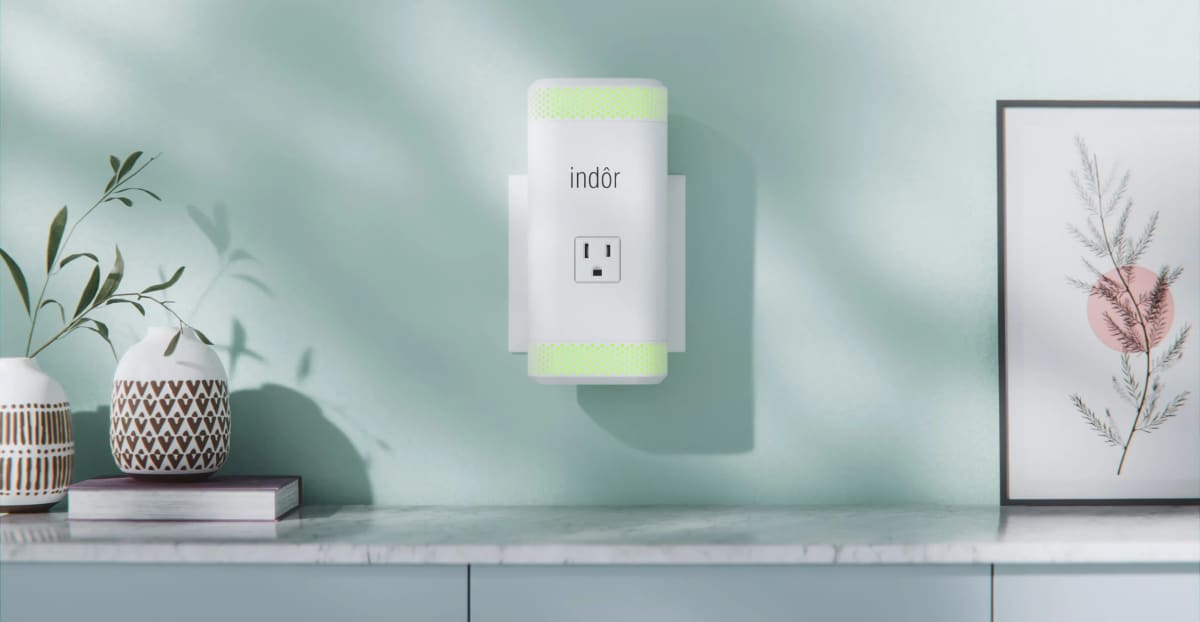
VizAeras and Afterconcept worked on designing and engineering a sleek and plug-and-play air quality monitor that converts necessary home technology into a component of a modern living space. We worked on designing and engineering a consumer product that would incorporate multiple environmental sensors and retain the friendly look of a lifestyle product. and engineering a sleek and plug-and-play air quality monitor that converts necessary home technology into a component of a modern living space. We worked on designing and engineering a consumer product that would incorporate multiple environmental sensors and retain the friendly look of a lifestyle product.
Client

Vizaeras
In order to meet California's AB 841 classroom CO2 monitoring regulations and legitimately compete for venture funding, VizAeras had to turn an indoor air quality monitoring concept into a manufacturable IoT device. Following COVID-19's emphasis on indoor air quality, the founding team of serial entrepreneurs with exits in construction and photo booths faced market timing and regulatory tailwinds. VizAeras positioned the indôr monitor to track CO2, particulate matter, VOCs, and environmental conditions across business and residential settings.
Development Challenges
Focused on minor refinements to the existing form to improve component integration, usability, and overall visual clarity.
Designed the system to integrate multiple environment sensors in a small internal structure, while maintaining precision, airflow, and serviceability.
Designed the product to withstand typical household handling and impact conditions, with materials, wall thicknesses, and assembly strategies optimized for mass production.
How Afterconcept Shaped the Product
-

Industrial Design
We created a practical, user-friendly air quality monitor that could blend high-tech sensor functionality with ease of use. By its sleek and seamless design, along with its immediate visual interface, Indor integrates effortlessly into a modern lifestyle.
-

Product Integration
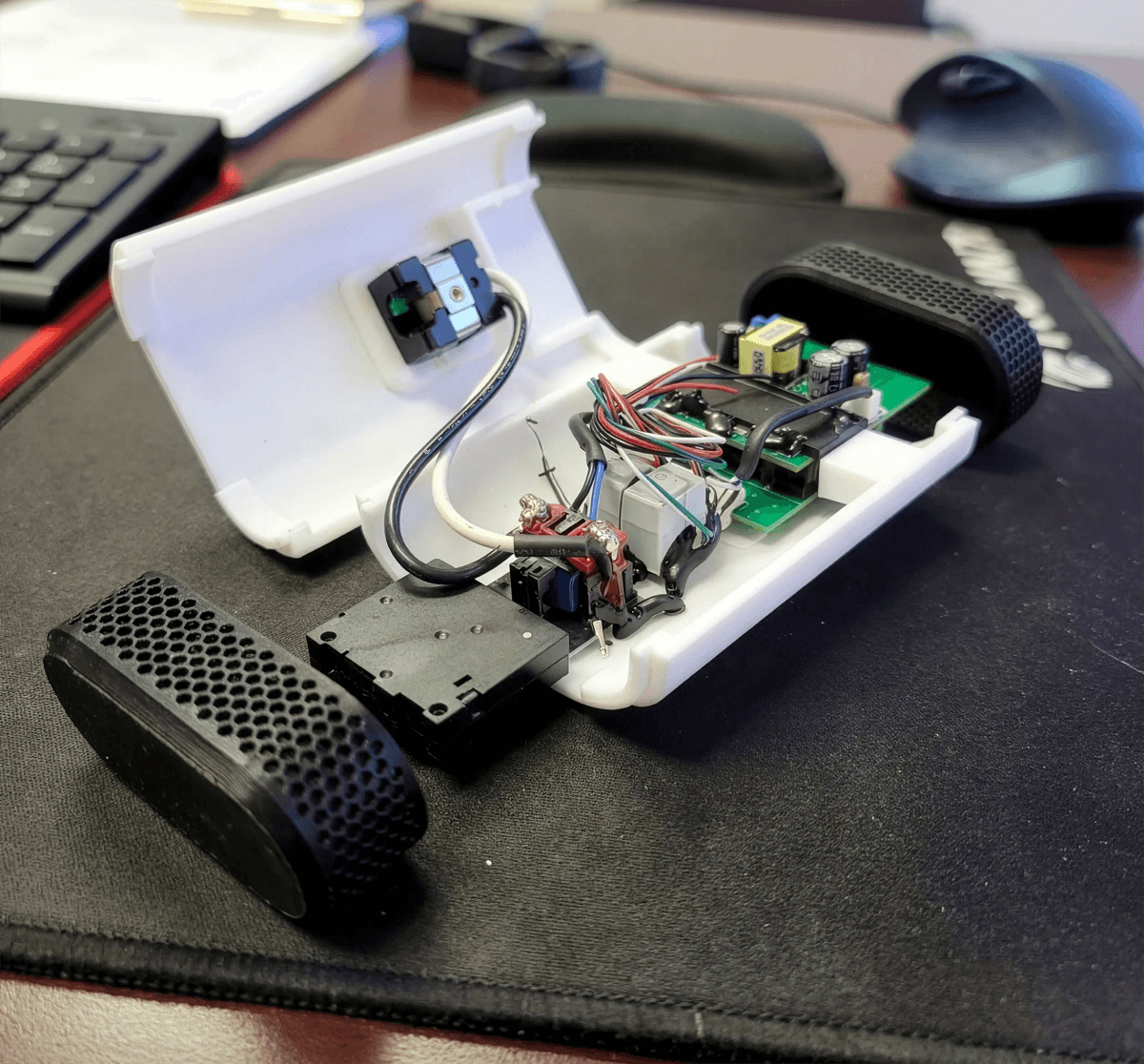
Integration of all the electronics including sensors Integration, LTE connectivity, and power management within the compact wall-plug form.
-

Prototyping
Pre-Production prototypes were developed to validated functionality and durability.
-

DFM & Tooling
Part consolidation took a mould off the tooling list: the top and bottom end caps were made identical so one tool moulds both. Snap-fit assembly and minimal fasteners enabled fast, reliable assembly.
Afterconcept was just the right choice for our project. Extremely professional, on-time with deadlines. The whole team is very knowledgeable and had some great ideas for solving any obstacles we faced.
Gerald Tautenhahn
Co-founder & CTO, VizAeras Inc.
Solution
What Would You
like To learn About?
Conceptualization
Designing With Purpose
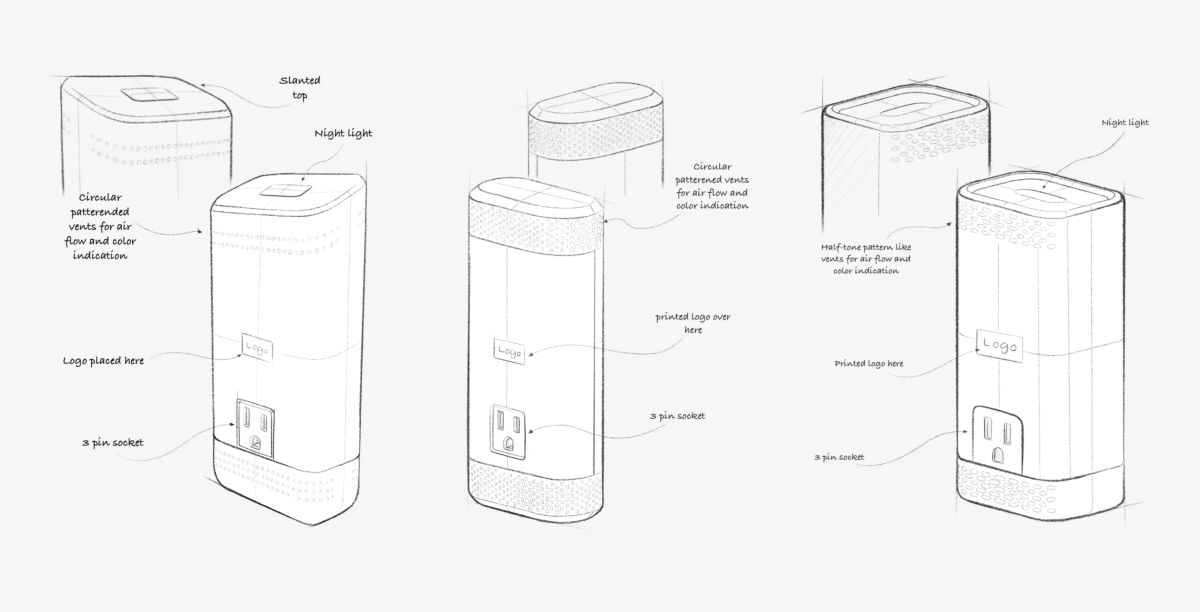
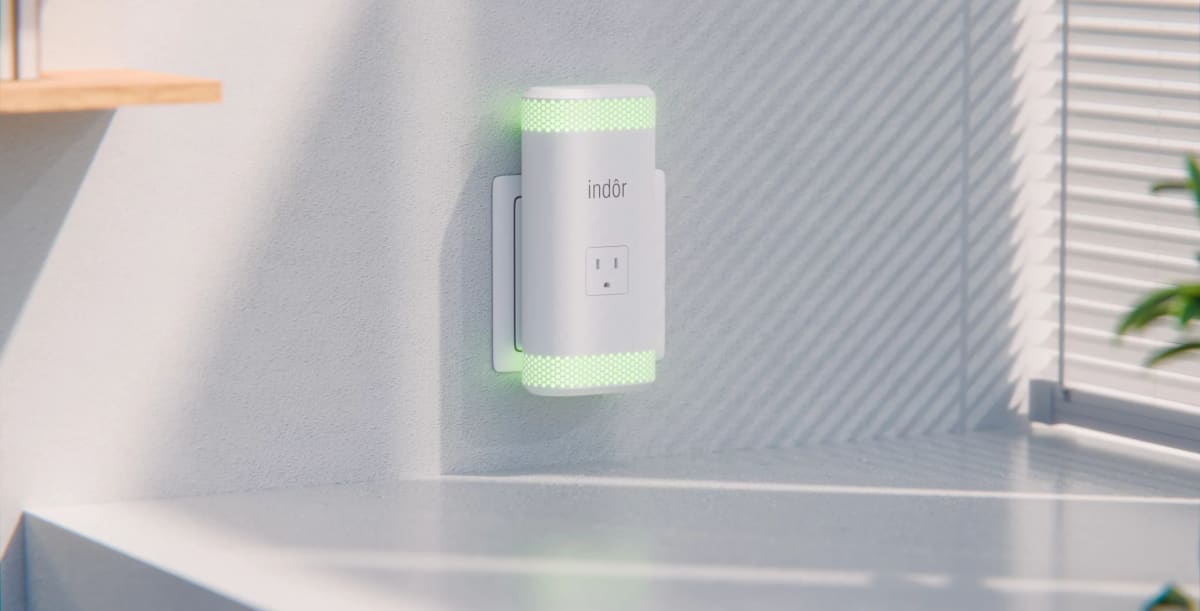
In adhering to the requirements for consumer products, we explored various design directions in an effort to optimize dimensions, ergonomics, and visual language. Early 3D iterations were used to test form factor and wall-mounting stability so that the device would integrate subtlety into various room layouts. This was an exploratory phase of design integration through usability, aesthetic appeal, and technical performance in home environments. We iterated wall thickness ensuring air quality status communicated clearly without harsh LED spotting.
Sensor Placement
and Airflow
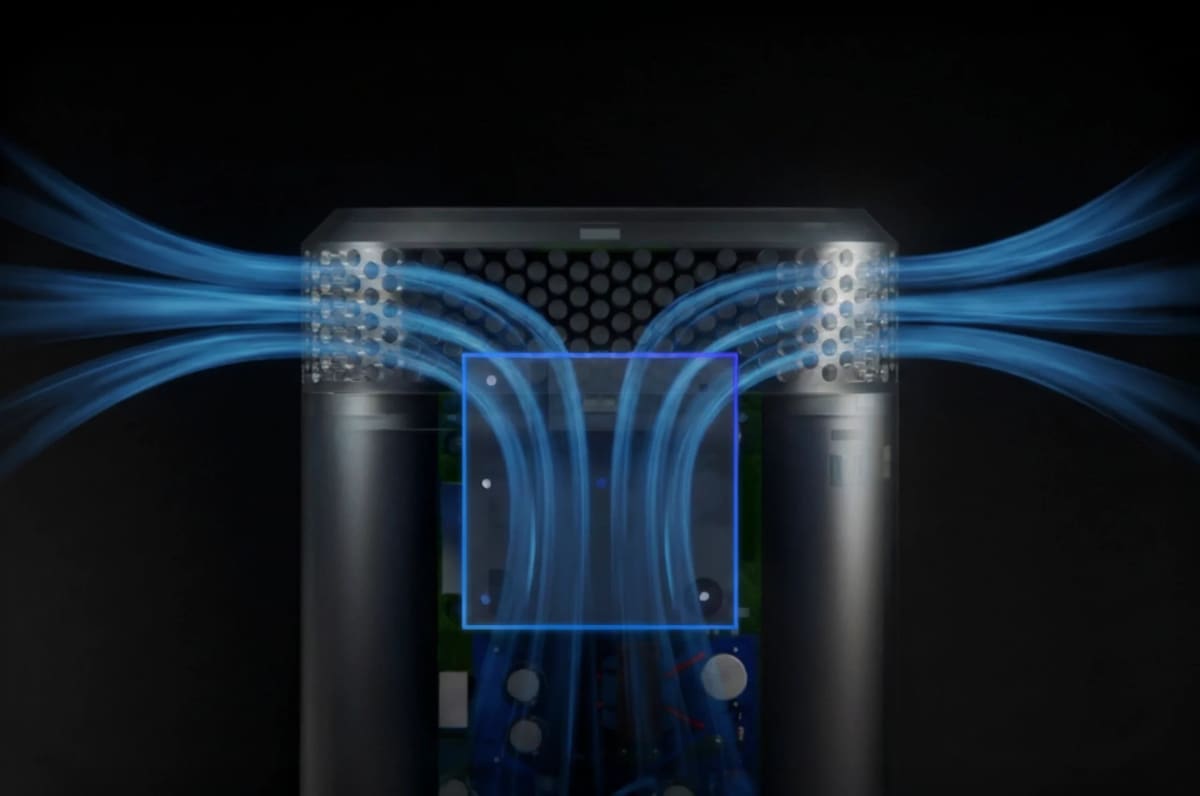
The sensors are incorporated into the design in such a manner that it retains a clean and minimalist design yet is able to seamlessly interface with the environment. Vent designs have been optimized to have a clean appearance, and sensors such as PM2.5 and CO2 have been positioned to seamlessly integrate with the design.



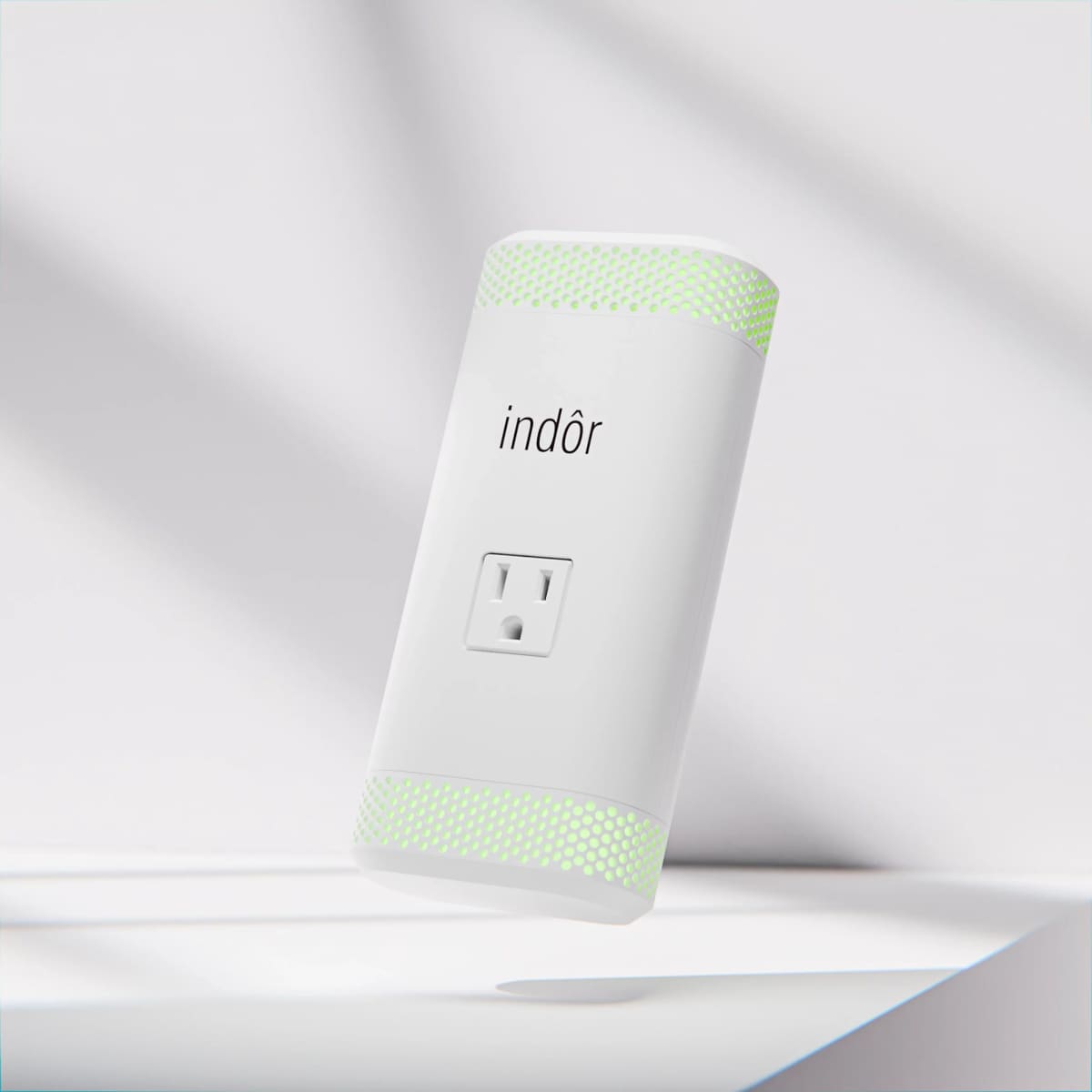
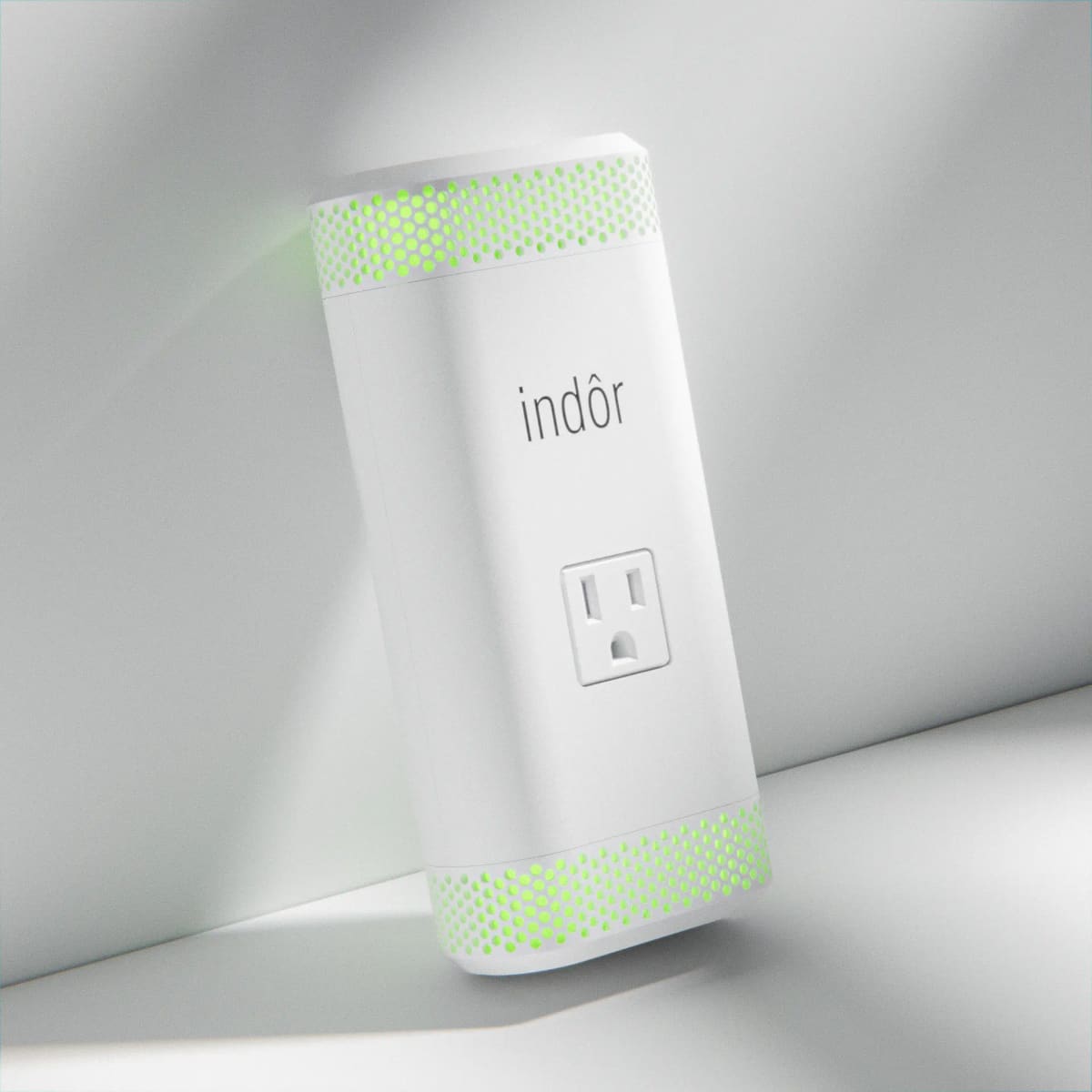
Color-coded air quality indication
visible from all viewing angles
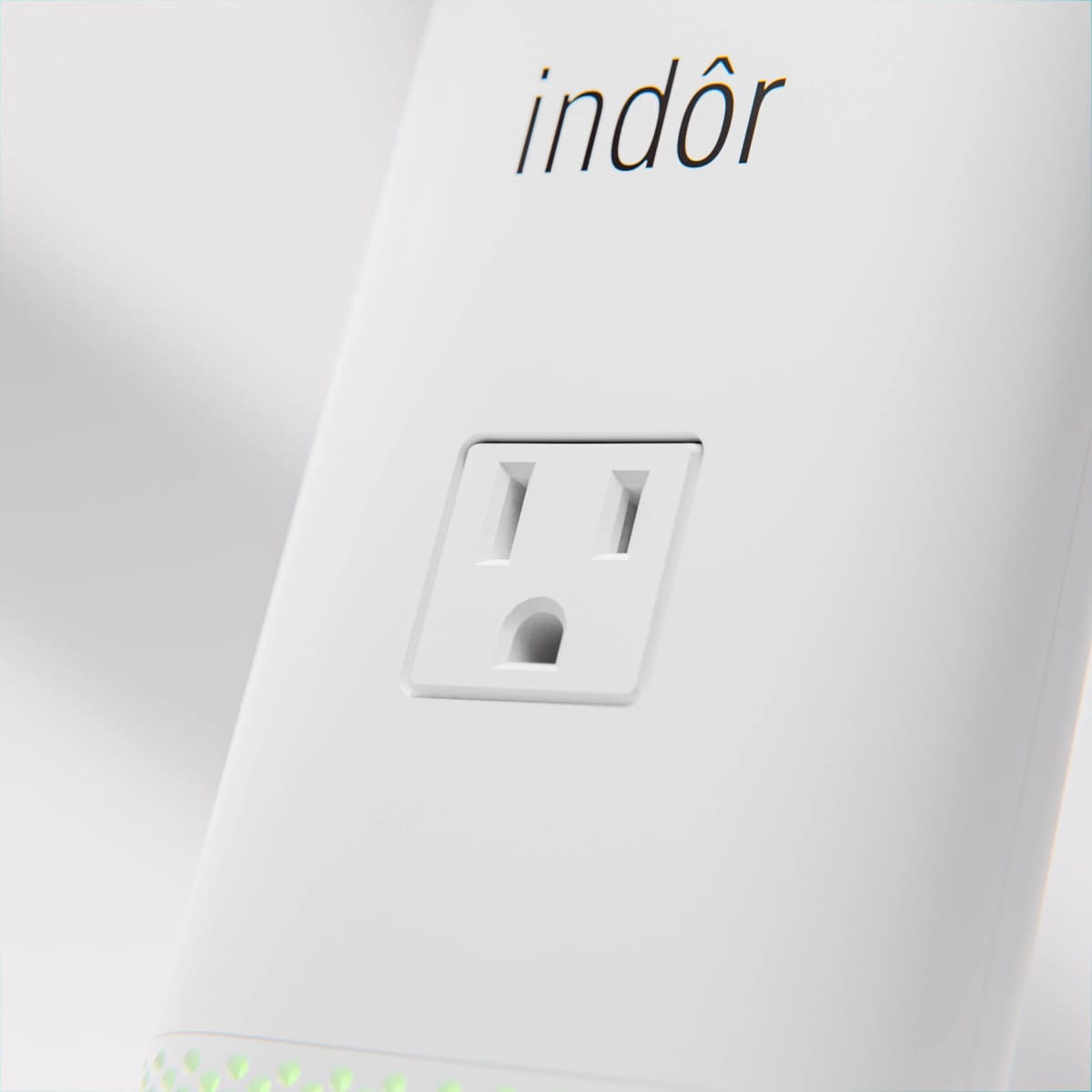

110V AC outlet for
plug-level functionality
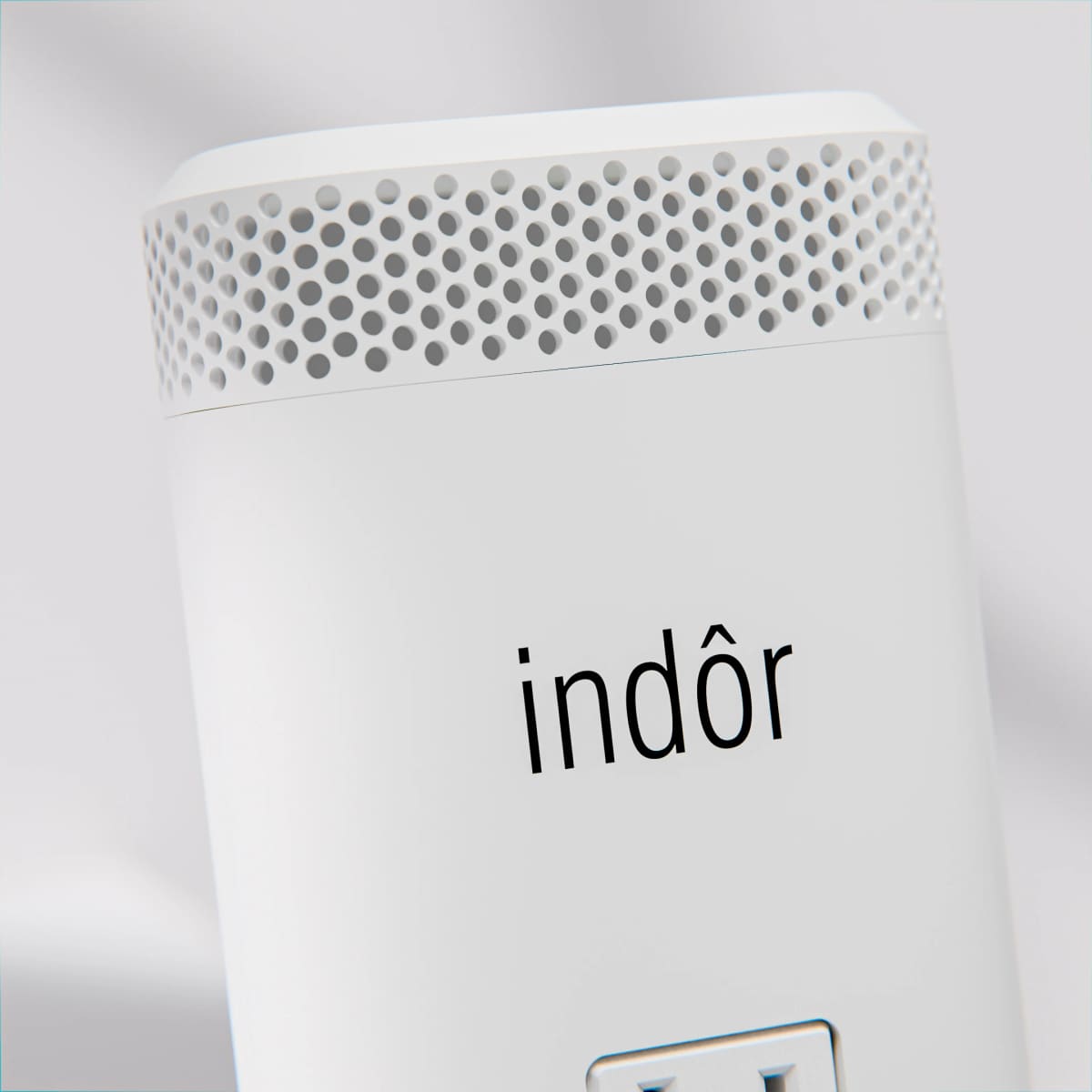

Integrated vents
for optimal airflow
Product Visualisation
Ideas to Life in 3D
Cad Development
Crafting Details, Streamlining Production
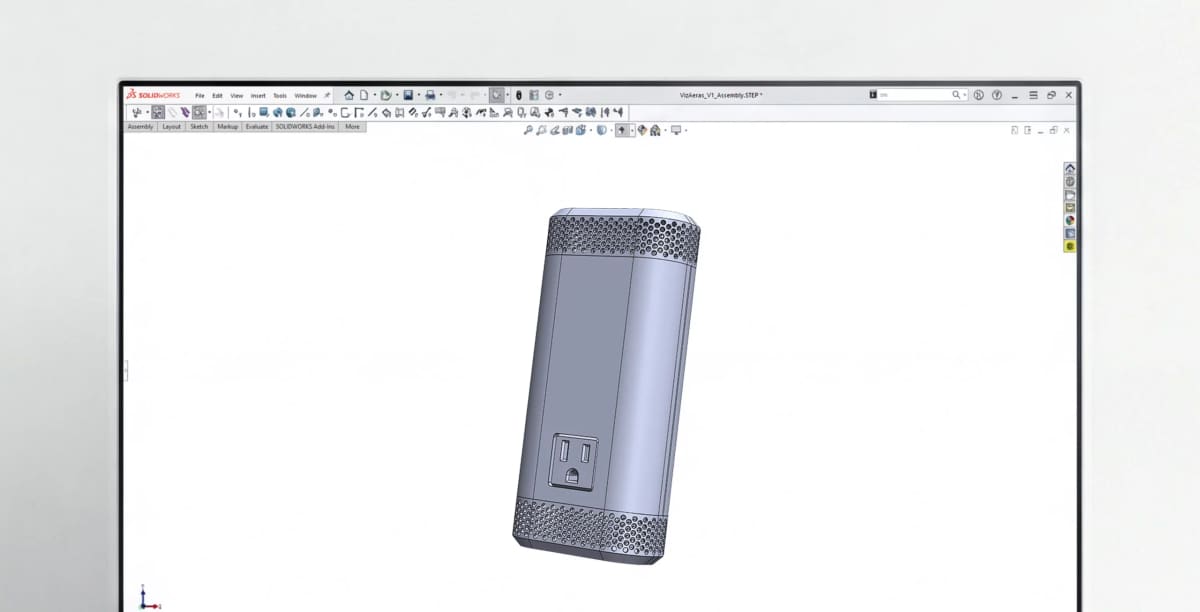
Our CAD development evolved from conceptual designs through detailed production designs with specified sizes and fit clearances. Thinking digitally helped us optimise sensor location within a constrained package, vent details for natural convection, and check stability when mounting the walls.
The CAD models included the integration of electronics housing, positioning of sensors, USB integration, and the prong mount of the blades in the system to ensure the elimination of any conflicts in the designs and the resulting production of manufacturing-ready files.
Engineered For Accurate Monitoring
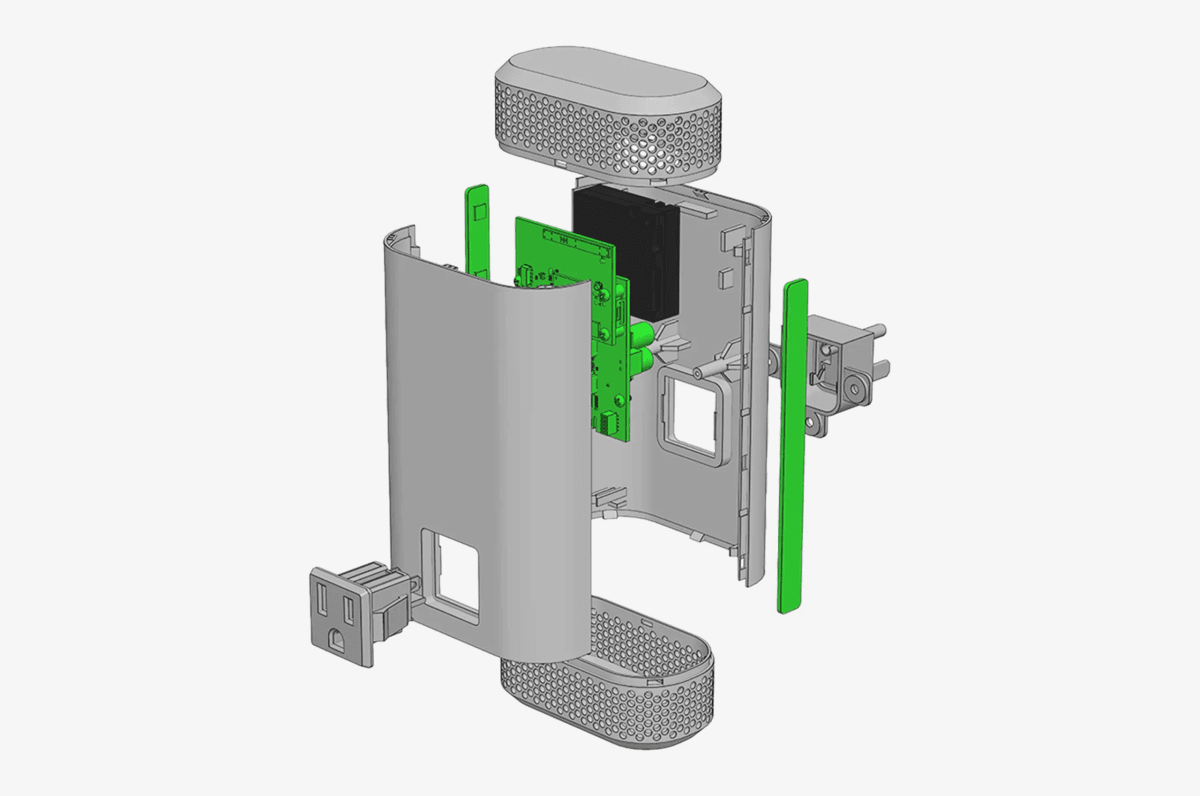
Sensors are located to optimize detection accuracy and ease of servicing. The bottom-to-top airflow passively routes directly to the PM2.5 sensor. Sensitive components are separated from power sources while ensuring sensors are not in the path of airflow or heated components. The current final vent design optimizes airflow while allowing injection molding and ensuring ease-of-access calibration.
DFM
Engineered For Cost-Effective Production
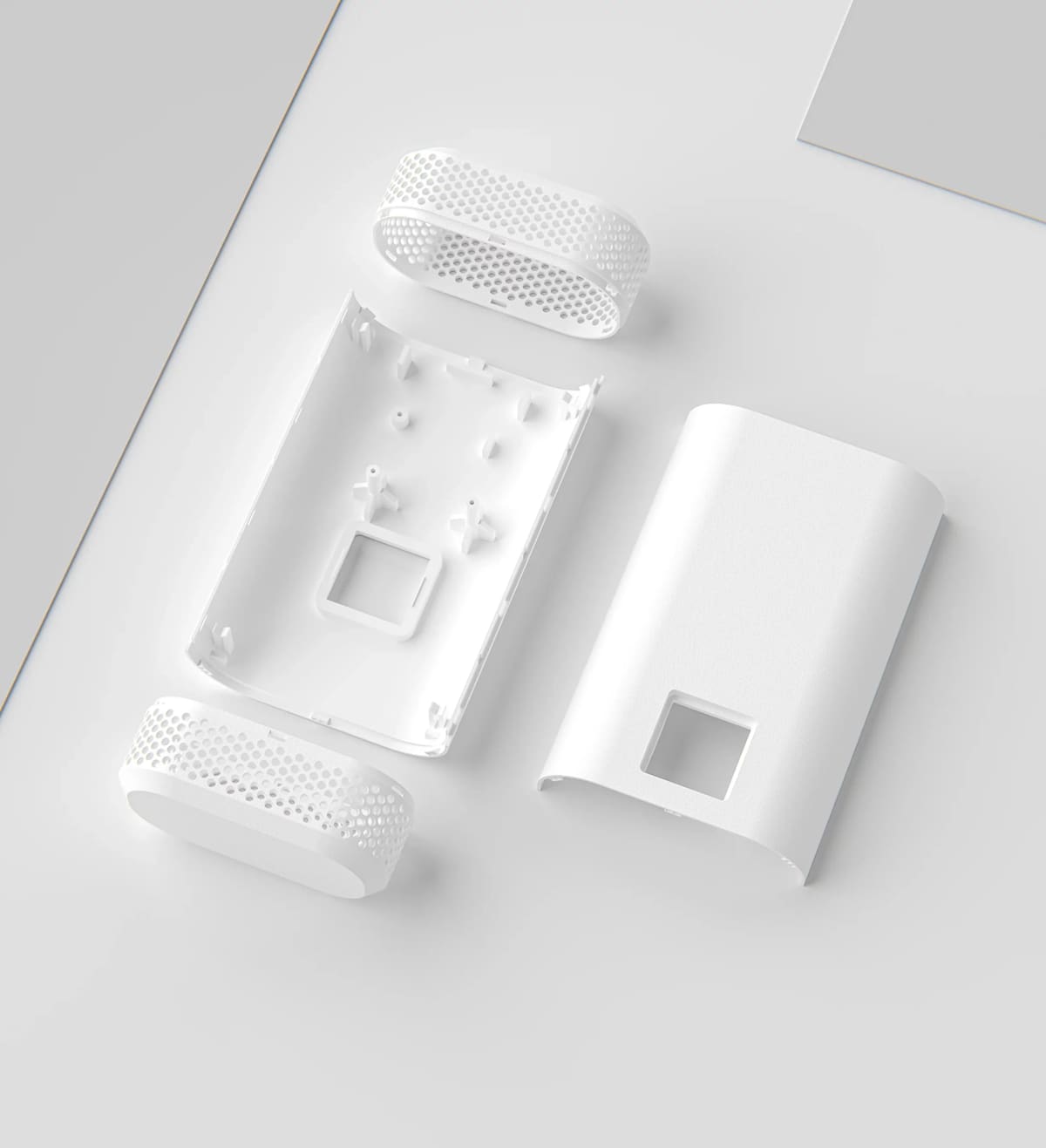
Consolidation of parts avoided tooling costs. A 25% reduction was observed by optimizing the top and bottom end caps the same and by minimizing from 4 molds down to 3 molds.
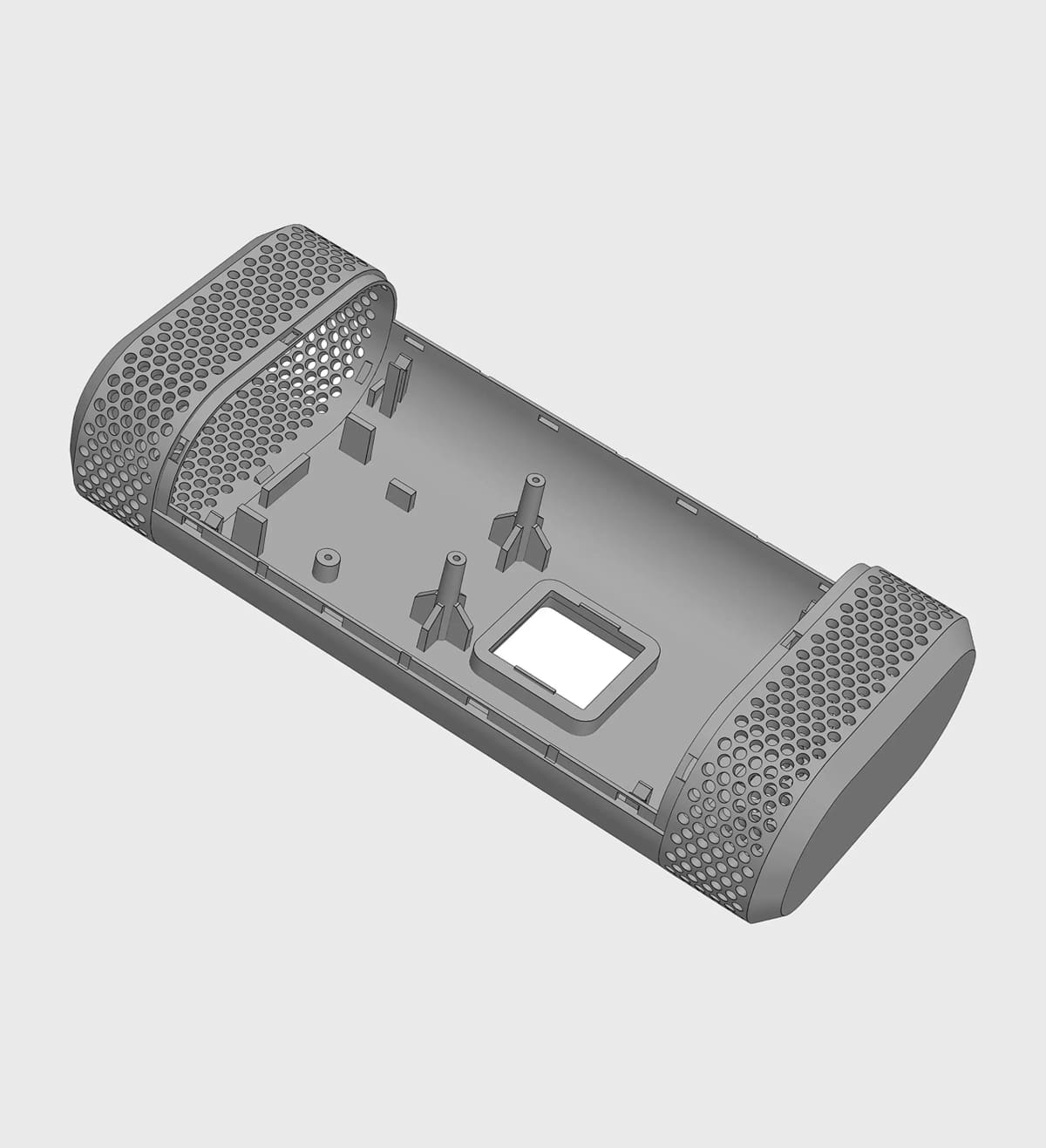
Wall thickness was optimized with balance of structural strength. Simplified tooling by refining the design.
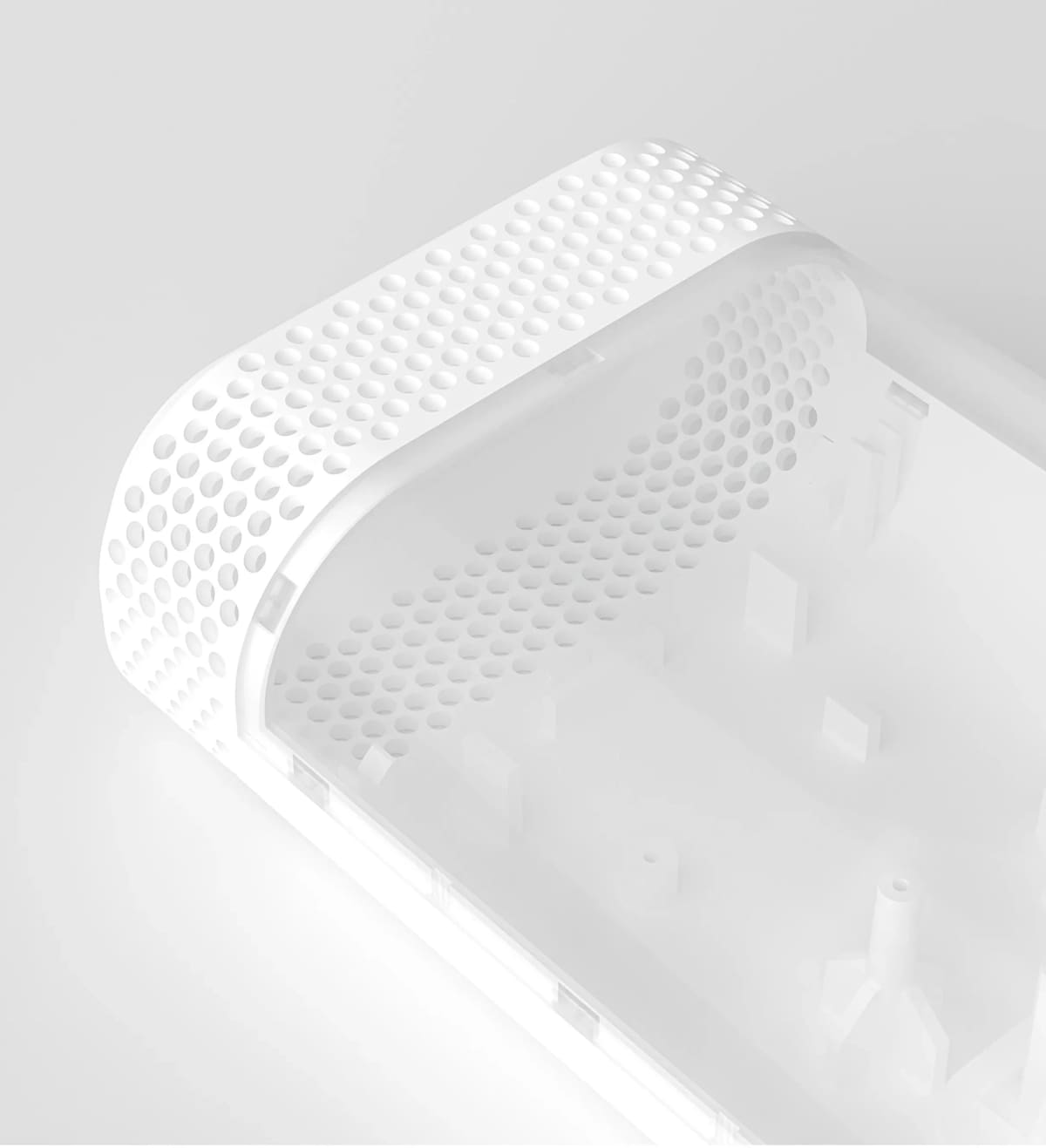
Snap-fit assembly with minimal screws made the assembly process quick. Optimal use of fasteners and locating points simplified manufacturing.
Prototyping & Validation
Design, Test, Improve
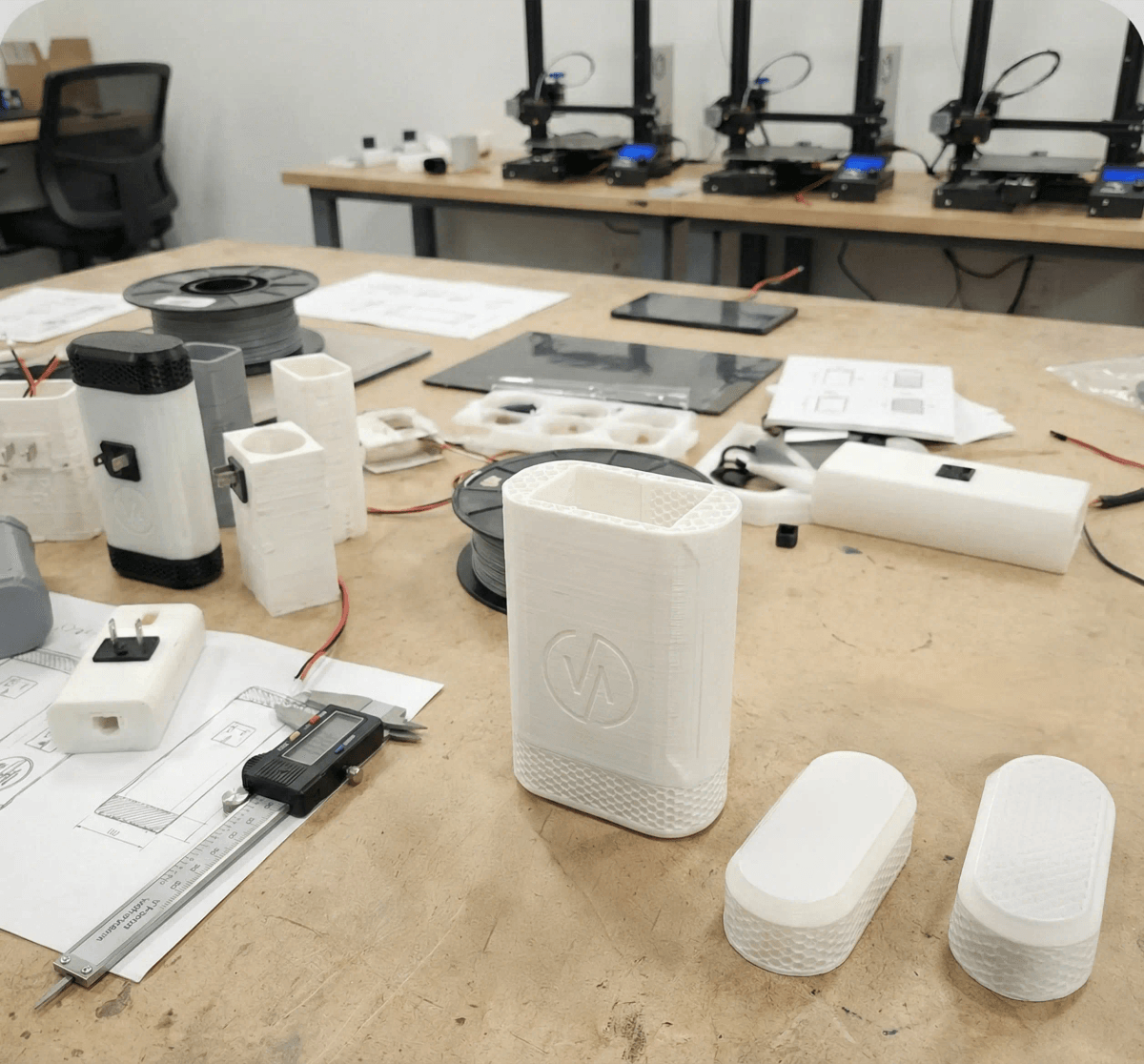
Physical prototyping validates the design decisions across 8-9 iterations in the 4.5-month development timeframe. Drop-test validation ensured consumer durability prototypes survived table-height impacts without damage. We tested emergency stop functionality, thermal management, passive airflow performance, and RGB lighting visibility from multiple angles. Production-grade prototypes validated the assumptions of manufacturability and allowed for accurate quotations.
Business Impact
-
6
Functional prototypes delivered
-
UL
Certified product
Let's bring your product vision to life.
Ready to start your project? We're here to help you turn your ideas into reality with our expert design and engineering team.
Similar work
-
Nife | E-Skate
Engineered elevated comfort, effortless mobility and a striking visual design that commands your user’s attention.
-
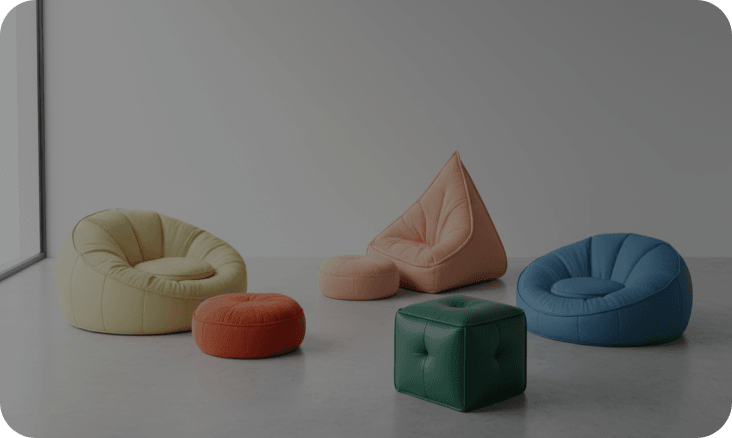
Maanta | Beanbag
With a bean bag collection that reforms how people experience comfort outside of four walls.
-
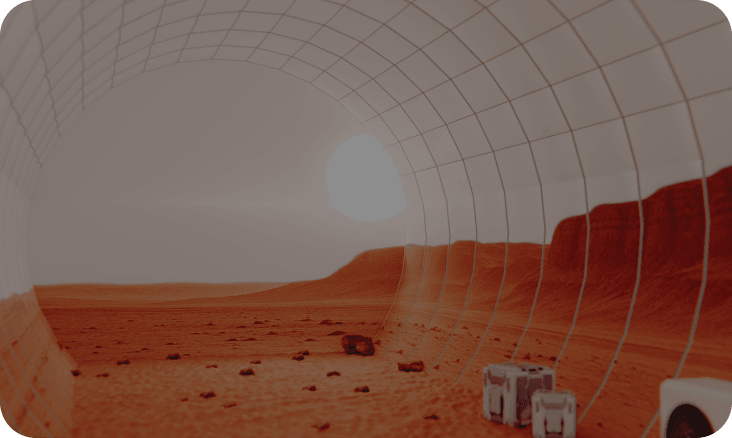
NASA | CHAPEA
To advance spacewalk training realism, NASA needed an immersive Martian environment that could be convincing at every visual level.